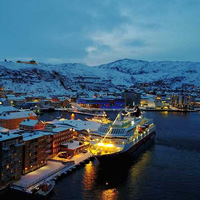
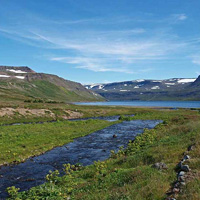
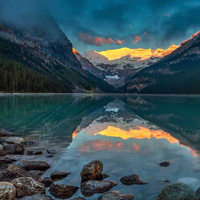
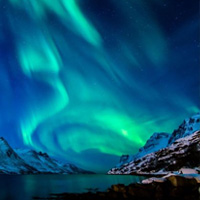
Witness the Northern Lights, a breathtaking natural phenomenon where solar particles collide with Earth’s atmosphere, creating vivid displays of light. We have tours that covers Finland, Norway, the Arctic Circle, and Iceland, offering urban exploration, scenic landscapes, and thrilling activities.
Why Choose this Tour?
An expert-led tour maximizes your chances of seeing the Northern Lights, with guides who know the best spots and times. Enjoy a seamless experience with all logistics handled, ensuring you can focus on the adventure
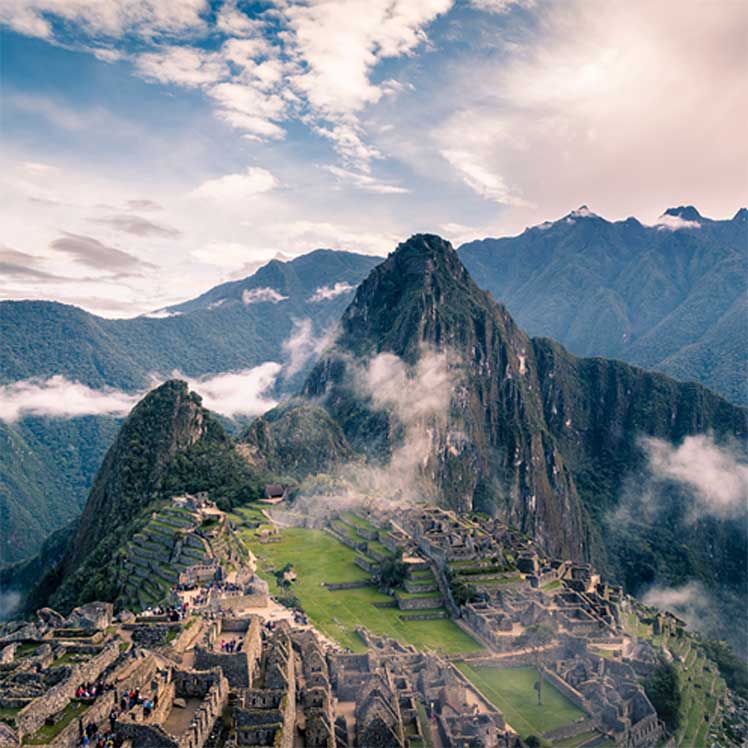
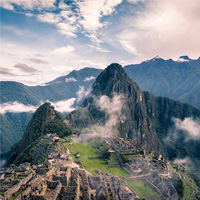
Find a way to Machu Picchu
You don’t need convincing to drop by the Inca ruins of Machu Picchu. A trek along an ancient path between soaring mountains to get to a secret city – The Inca Trail is the stuff of travel legends. But you are probably bewildered by the choice of ways to get there.
You could hike the Inca Trail. This unforgettable four-day walk is one of the world’s greatest, using stone Inca stairways to pass deserted villages and fields terraced onto sheer Andean slopes. But be warned: numbers are limited.
If you’re too late to book a place try the most popular alternative, the Choquequirao Trail. Or walk the Lares Trek, commonly the ‘People’s Trail.
For something completely different, why not ride the Salkantay Trek? Higher and longer, it lacks the Inca ruins that the ‘Classic’ trail is known for, but it has jaw-dropping scenery, crosses 15 ecosystems and isn’t as busy. Try it on horse-back. Trot to the top of the alternative Inca Trail for a view of Machu Picchu that the crowds don’t see.
Explore the real Amazon
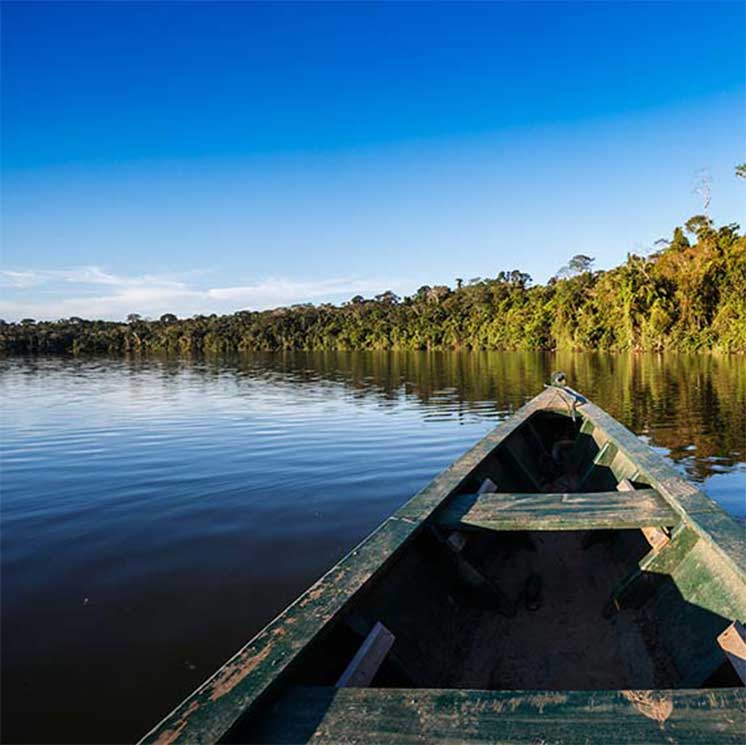
Peru is where the Amazon gets its start in life, in Carhuasanta, before winding its way down the Andes and into the Amazon basin on the other side. So Peru is the only South American country where you can experience each of its different forms.
The Peruvian part of the Amazon jungle is possibly the most diverse and prolific section of all. Meet caiman and paddle canoes along tranquil waterways, lulled by the all-encompassing ‘symphony of green’. Here you can explore the river by boat or get a deeper understanding of the jungle and its people.
Eat Adventurously
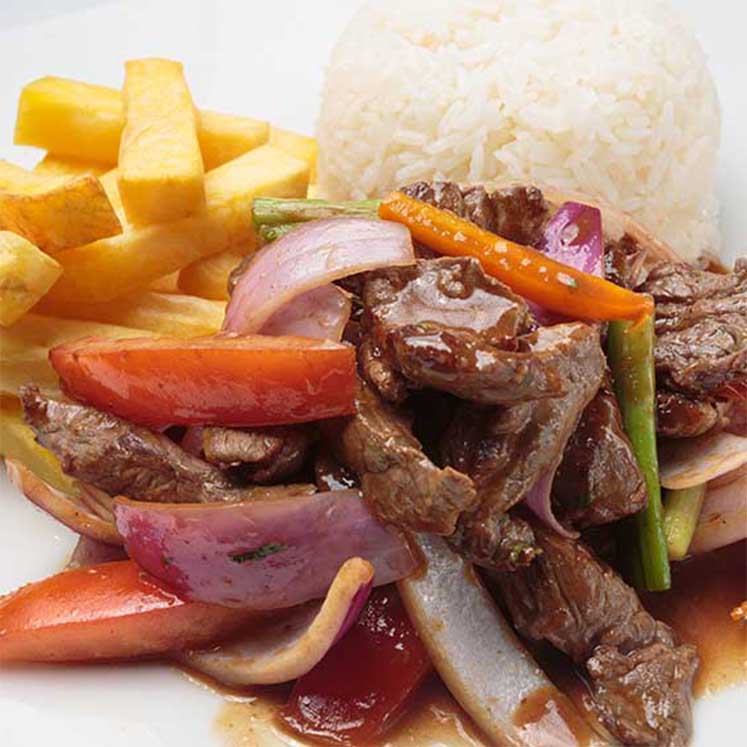
From roasted guinea pig to the world’s most pungent potatoes, Peru’s cuisine isn’t for the faint hearted – but fortune favours the brave.
Cuy (guinea pig) is Peru’s most notorious taste experience. It is most easily found in highland towns like Cusco and the Urubamba valley. Get out of the main square and burrow deep into the back streets for a more authentic experience.
If meat’s your thing but you can’t stomach guinea pig, then head for Arequipa. Sitting in the shadow of El Misti volcano, the mountain’s sillar stone is ubiquitous in the old quarter.
Potatoes have been cultivated in the Andes for 10,000 years and even today, there are 3,800 different types on offer. Of late, Peru has become something of a foodie destination. From the coast to the capital, from the highlands to the jungle, young chefs are creating some of the most exciting – and tasty – dishes on the planet.
Get the most out of Lima
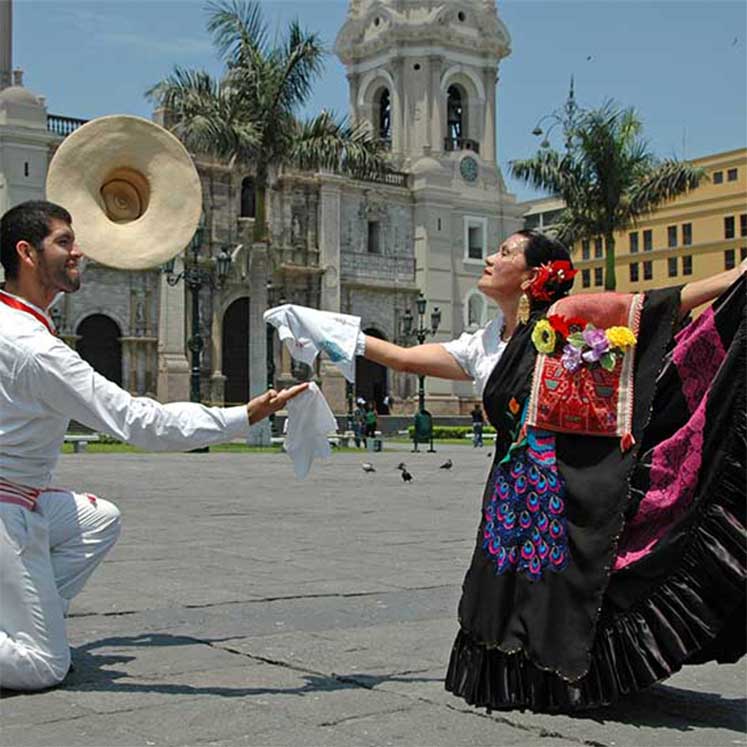
With most travellers drawn irresistibly to the tourist hubs Cuzco and Arequipa, the charms of the capital, Lima, are often overlooked. With coastline, mountains and jungle mere hours from the capital, Lima offers respite and exciting alternatives to the stifling crowds and bus travel that await you along the Gringo Trail.
Lunahuana offers white water rafting and vineyards. The adobe buildings of Tarma hark back to pre-Colombian times, with jungle and South America’s deepest cave nearby.
If you get stuck in the capital, don’t despair. There are lots of things to do, many for free. Every Tuesday, Thursday, Friday and Saturday at 12.30pm you can join Lucid Lima on a 90-minute tour of the UNESCO-listed colonial town. No booking required, just show up at Plaza Peru by the small fountain.
Spend a day with the Condors
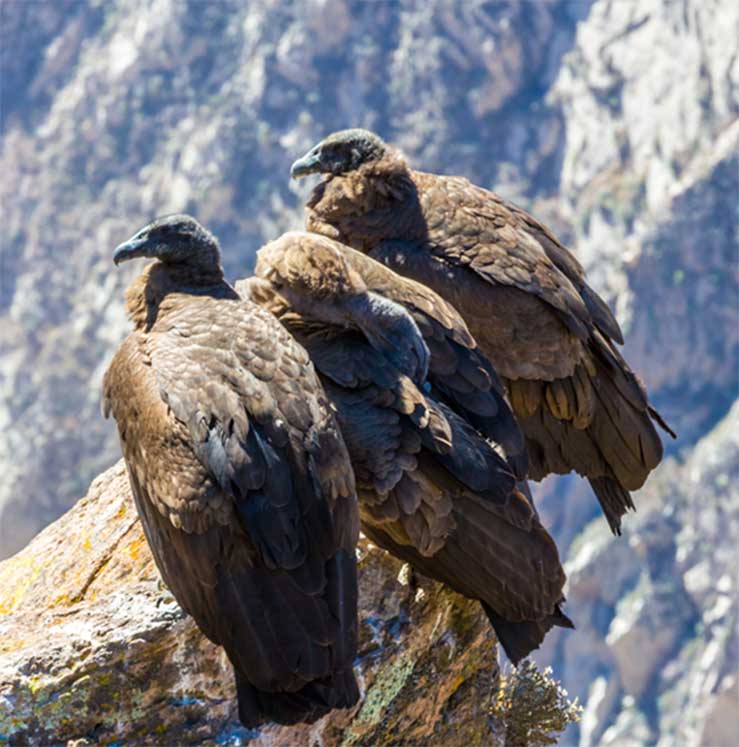
The far-south of Peru is a land of ice mummies, misty volcanoes and the Amazon’s source. You’ll also find one of the world’s deepest canyons, Colca, where mighty condors rule the roost.
Head to the Cruz del Condor viewpoint. This is the best spot to watch these majestic birds riding on the morning’s thermals. Watched as they glide, turn, dive and climb, soaring above your head before gradually making their way down the length of the canyon, disappearing out of sight.
Discover another side of Cusco
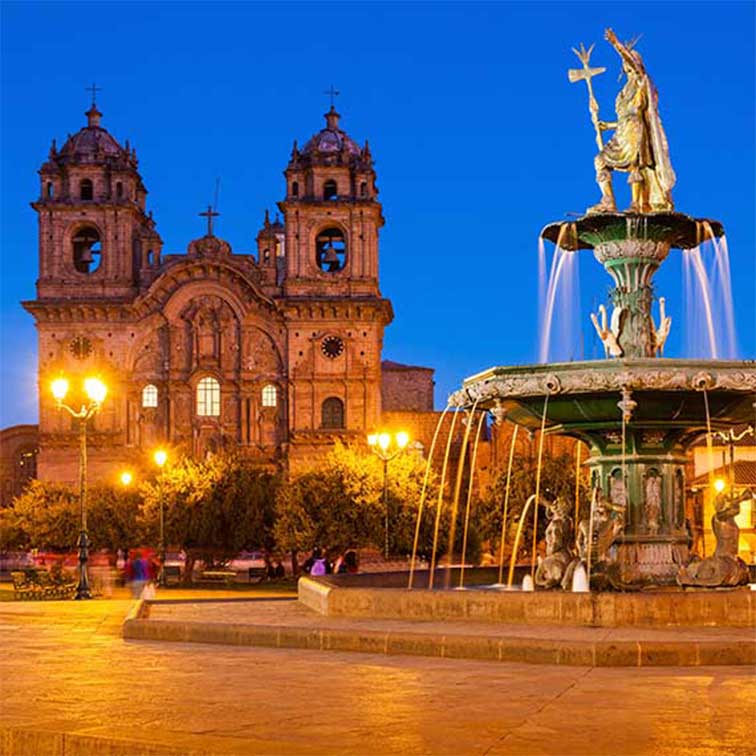
With Macchu Picchu and the Inca Trail just over the hills, most travellers are tempted to get out of Cusco as soon as possible. But for the patient visitor prepared to extend their stay by a day or two, this stunning colonial city reveals even more of its charms.
A Boleto Turistico del Cusco pass gives access to 16 key historic sites. Then head out to Sacsayhuamán, overlooking the city, and walk back down to Cusco through the San Blas neighbourhood, the artisan quarter, with its galleries and boutiques.
Next head out to the Sacred Valley, the valley of the Urubamba River, where you can visit the historic Inca sites at Pisac, Ollantaytambo and Chinchero. If it’s a Sunday, visit Chinchero market (which isn’t as touristy as the more famous Pisac market), and the adjacent textile cooperative for a spot of shopping. The pre-Incan salt pans – or salineras – at Maras are worth a visit too.
If the cost of hiking the Inca Trail has dented your funds, fear not: there are plenty of things to do for free in Cusco too, including learning to salsa!
Get your head in the clouds
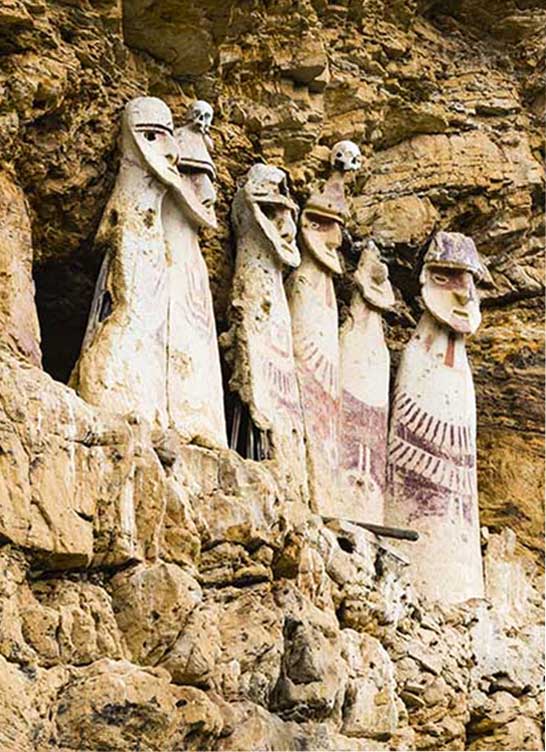
It was the Incas who first called the Chachapoyan the ‘people of the clouds’ and their mountaintop lair, shrouded in mist and covered in thick jungle, is straight out of an Indiana Jones movie.
The Chachapoyan have left an awe-inspiring collection of sophisticated hilltop fortifications and roundhouse remains, but it is the way they carefully preserved their dead that has intrigued archeologists and travellers alike.
Several caches of mummies have been found in extraordinarily inaccessible spots, high up in the cliffs and in underground vaults. Just make sure to pack your Wellies and a machete.
Read between the (Nazca) lines
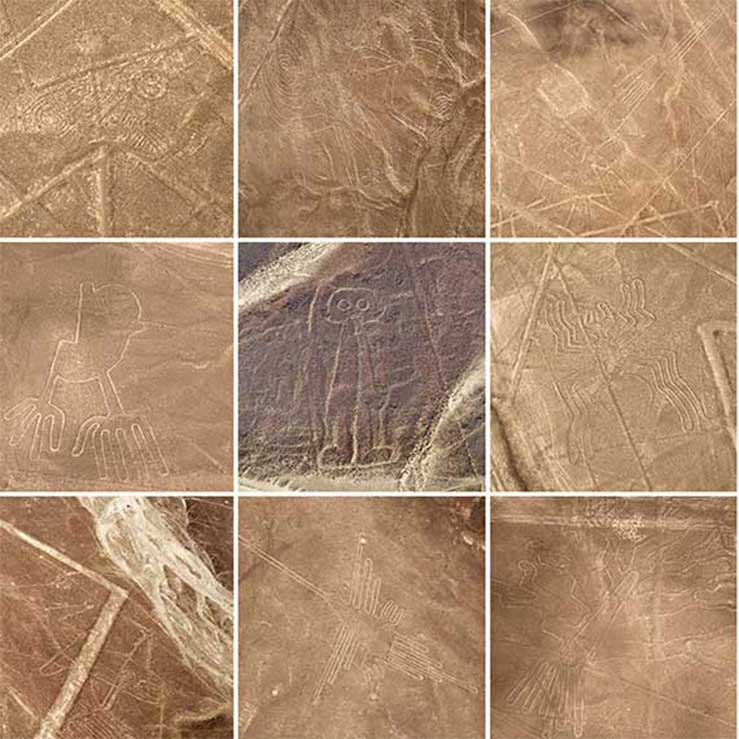
The Nazca Lines are huge, intricate drawings etched on to the barren landscape of Peru’s coastal desert around 400km south of Lima. Enigmatic and mysterious, the figures of people and animals etched into the desert dust have long mystified the experts.
It’s believed that the Nazca people created the lines. They predate the Incas by as much as 2,000 years but Nazca’s extreme environment has minimised erosion and helped to keep the lines intact.
Karl Sagan reckoned they were written by spacemen: take an aerial tour over the site and make up your own mind.